



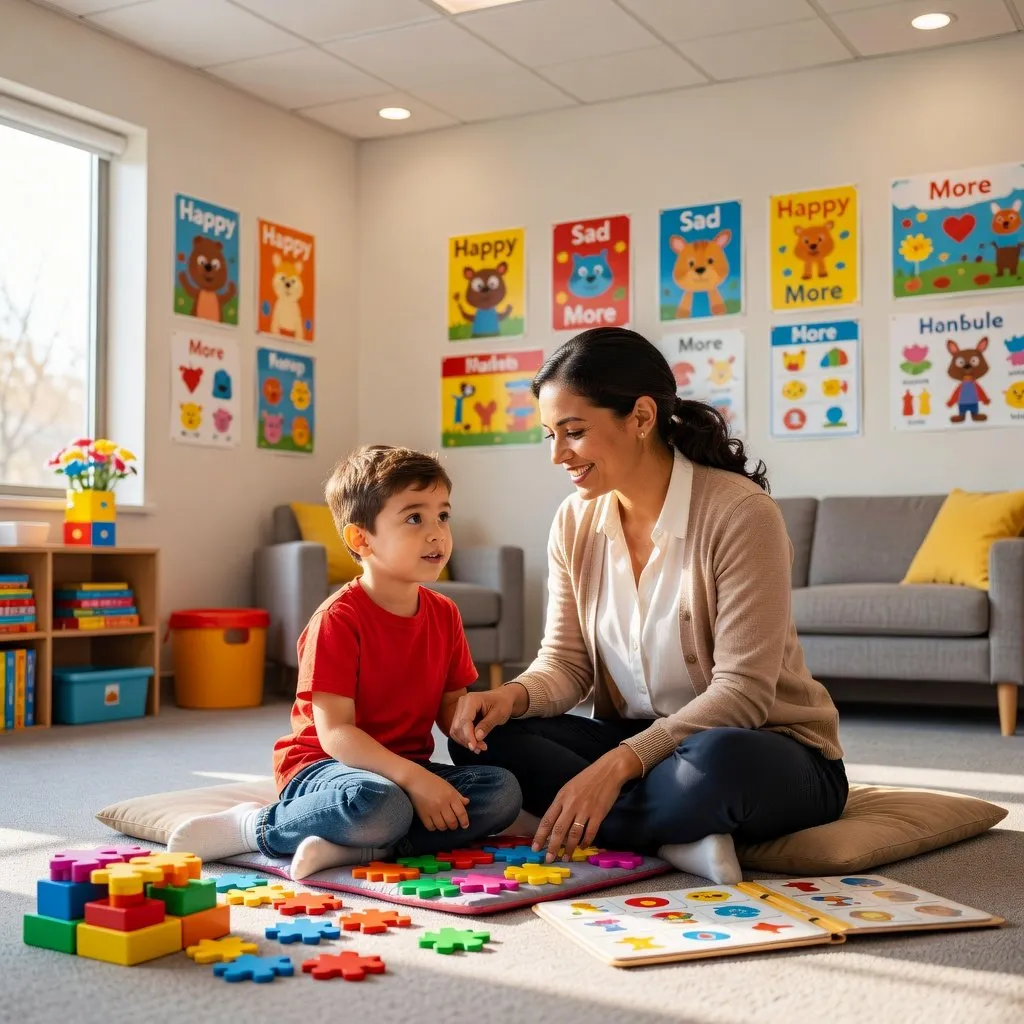
What Is Special Needs Education?
Special education is designed to help children learn the skills and information that other kids are learning in the general education curriculum. Special Needs Education aims at complete development of capabilities, social independence, and self-reliance — bearing in mind each child's individual needs.
Children whose learning is impacted by a cognitive, physical, emotional, or behavioral condition are eligible for special education. This way, students with disabilities get an opportunity to unleash their academic potential. Special education is carried out in different forms — in special classes, resource rooms, and special schools. It is not a "one size fits all" approach.
Three Areas We Support
Mental Difficulties
Physical Difficulties
Behavioral & Emotional
How Our Special Educators Help Your Child
A six-step framework, repeated, refined, and personalised for every learner.
The Most Common Special Educational Needs
How Do You Identify a Child With Special Needs?
Early signs across motor skills, behaviour, and cognition that warrant a closer look.
Fine Motor Milestones
- ›Newborn–3 months: bring hands to mouth, grasp objects
- ›1 year: stack blocks, turn pages in a book
- ›2 years: imitate scribbles, complete simple puzzles
- ›3 years: string beads, good hand-finger co-ordination
- ›4–5 years: colour within lines, copy shapes, use scissors
Motor Red Flags
- ›Hands remain fisted after 2 months
- ›Muscle tone variations at birth–3 months
- ›Not walking independently by 18 months
- ›Extreme toe walking at 2 years
- ›Difficulty with hand-finger co-ordination
Behaviour Red Flags
- ›Self-injury (hitting, head-banging)
- ›Negative behaviour multiple times per day
- ›No self-calming ability
Cognition Red Flags
- ›No eye contact at 3 months
- ›Not reaching for objects at 9 months
- ›Easily distracted / very short attention span at 12 months
- ›No co-operative play at 5 years